 Tom's Blog
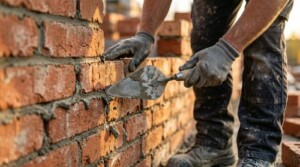 Running a masonry business comes with unique risks. Whether you specialize in brickwork, block construction, stonework, retaining walls, chimneys, or commercial masonry projects, your business depends on skilled labor, expensive equipment, and the ability to complete jobs safely and on schedule.
Unfortunately, accidents can happen on any job site. A worker could be injured, a customer’s property could be damaged, or expensive tools and equipment could be stolen. Without the right insurance coverage, a single unexpected event could create a serious financial setback for your business.
At Paramount Insurance Agency, we help contractors find insurance solutions designed to protect their businesses. If you own a masonry company in High Point, Greensboro, Winston-Salem, or anywhere in North Carolina, understanding your insurance options is an important part of protecting your investment.
What Insurance Does a Masonry Contractor Need?
Every masonry business is different. Your insurance needs will depend on the type of work you perform, the number of employees you have, the equipment you own, and whether you work on residential or commercial projects.
Here are some of the most important types of insurance masonry contractors should consider.
1. General Liability Insurance
General liability insurance is one of the most important policies for masonry contractors. It helps protect your business if you are held responsible for bodily injury or property damage involving a third party.
For example:
- A brick or stone wall collapses and damages a customer’s property.
- A visitor trips over materials or equipment at your job site.
- Your crew accidentally damages a customer’s driveway, landscaping, or building.
- A completed masonry project results in property damage that leads to a liability claim.
General liability insurance can help cover eligible legal defense expenses, settlements, and judgments, subject to policy terms and exclusions.
Many general contractors, property owners, and commercial customers also require masonry contractors to carry general liability insurance before allowing them to begin work.
2. Workers’ Compensation Insurance
Masonry work can be physically demanding and potentially dangerous. Employees regularly work with heavy materials, scaffolding, ladders, power tools, and construction equipment.
A workplace injury can result in significant medical expenses and lost wages.
Workers’ compensation insurance helps provide benefits to eligible employees who suffer work-related injuries or illnesses. It can also help protect your business from certain financial consequences associated with workplace injuries.
North Carolina generally requires businesses with three or more employees to carry workers’ compensation insurance, subject to applicable statutory rules and exceptions.
Even if your business is not legally required to carry workers’ compensation, it is worth discussing your options with an insurance professional. Many contractors also need to address workers’ compensation requirements when working as subcontractors.
3. Commercial Auto Insurance
If your masonry business uses trucks, vans, or other vehicles to transport employees, tools, materials, or equipment, personal auto insurance may not provide the protection your business needs.
Commercial auto insurance can help protect vehicles used for business purposes.
Depending on your policy, coverage options may include:
- Liability coverage for accidents involving business vehicles.
- Collision coverage for damage to your vehicles.
- Comprehensive coverage for theft, vandalism, fire, and certain other losses.
- Coverage for qualifying vehicles used by your business.
Whether you operate a single work truck or a fleet of vehicles, having the appropriate commercial auto coverage is important.
4. Contractors Equipment and Tools Insurance
Masonry contractors rely on expensive tools and equipment to get the job done. Saws, mixers, scaffolding, compressors, generators, and specialized masonry tools can represent a substantial investment.
What happens if your equipment is stolen from a job site or damaged while being transported?
Contractors equipment insurance, sometimes called inland marine coverage, can help protect qualifying tools and equipment against covered losses.
This coverage is particularly important for contractors who regularly move equipment between job sites or leave tools in work vehicles and trailers.
5. Commercial Property Insurance
If you own or lease a shop, office, warehouse, or storage building, commercial property insurance can help protect your business property.
Depending on the policy, coverage may include:
- Buildings and structures.
- Office furniture and business equipment.
- Inventory and supplies.
- Tools and other business property.
- Certain losses caused by fire, theft, vandalism, and other covered events.
Your insurance needs will depend on whether you own your building, lease space, or operate primarily from vehicles and job sites.
6. Umbrella Insurance
Sometimes, a standard liability policy may not provide enough coverage for a serious accident or lawsuit.
Commercial umbrella insurance provides additional liability limits above certain underlying policies, subject to its terms and conditions.
For masonry contractors working on large residential or commercial projects, additional liability protection may be worth considering.
An umbrella policy can be an important part of a comprehensive risk management strategy.
7. Performance Bonds
If your masonry business performs commercial construction, government projects, or larger jobs for general contractors, you may be required to obtain a performance bond before beginning work.
A performance bond is a type of surety bond that provides financial protection to the project owner if your company fails to complete the work according to the terms of the construction contract.
For example, if your masonry company is hired to complete the brickwork on a commercial building but cannot fulfill its contractual obligations, the performance bond can help protect the project owner from certain financial losses. Depending on the bond terms, the surety may arrange for another contractor to complete the work or provide financial compensation.
Performance bonds are commonly required for:
- Government construction projects.
- Public school and municipal projects.
- Large commercial construction jobs.
- Projects requiring a general contractor to provide bonding.
- Certain subcontracting agreements.
The cost and availability of a performance bond depend on several factors, including the size of the project, contract amount, financial strength of your business, credit history, and previous construction experience.
If you plan to bid on larger construction projects or work as a subcontractor for established general contractors, having access to performance bonds can help your masonry business qualify for more opportunities.
Need a performance bond for your next masonry project? Contact Paramount Insurance Agency to discuss your bonding needs and explore available options.
Why Do Masonry Contractors Need Specialized Insurance?
Not all contractors face the same risks. A masonry company building residential brick patios has different exposures than a contractor performing large commercial block construction or structural masonry work.
Insurance companies consider several factors when determining coverage options and premiums, including:
- Type of masonry work: Bricklaying, stone masonry, concrete block work, chimneys, retaining walls, and structural masonry may have different risk classifications.
- Annual revenue and payroll: The size of your operation and the amount of labor involved can affect insurance costs.
- Number of employees: More employees can mean greater workers’ compensation exposure.
- Subcontractors: How you hire and manage subcontractors can affect your liability and insurance requirements.
- Claims history: Previous insurance claims may influence eligibility and pricing.
- Commercial projects: Certain general contractors and property owners may require specific coverage limits and endorsements.
It is important to work with an insurance agency that understands the construction industry and can help identify coverage that fits your actual operations.
How Much Does Masonry Contractor Insurance Cost in North Carolina?
One of the most common questions masonry business owners ask is how much contractor insurance costs.
Unfortunately, there is no single price that applies to every masonry company. Insurance premiums depend on several factors, including:
- The type of masonry services you provide.
- Your annual gross revenue.
- Your annual payroll.
- Your number of employees.
- Your experience and claims history.
- The amount of general liability coverage you need.
- The vehicles, tools, and equipment you want to insure.
A small masonry contractor working on residential projects may have very different insurance costs than a larger company performing commercial construction.
The best way to find competitive pricing is to compare insurance options based on your specific business operations. Choosing a policy based on price alone can leave important coverage gaps.
What Insurance Do General Contractors Require From Masonry Subcontractors?
If you perform masonry work as a subcontractor, general contractors may require you to provide proof of insurance before you can begin a project.
Common requirements include:
- General liability insurance, often with specified coverage limits.
- Workers’ compensation insurance when applicable.
- Commercial auto insurance.
- Additional insured endorsements.
- Waivers of subrogation, when required by contract.
- Certificates of insurance showing the required coverage.
These requirements can vary from one project to another. It is important to review your contracts carefully and make sure your insurance policy can meet the requirements.
A certificate of insurance provides evidence of coverage, but it does not change the terms of your actual insurance policy. If a contract requires a particular endorsement, make sure it is properly added to your policy.
Why Choose an Independent Insurance Agency for Your Masonry Business?
Finding the right insurance for a masonry business can be challenging. Different insurance companies have different underwriting guidelines, pricing, and appetites for construction-related risks.
Working with an independent insurance agency gives you the opportunity to explore coverage options from multiple insurance companies rather than being limited to one provider.
At Paramount Insurance Agency, we understand that contractors need dependable coverage, competitive pricing, and an insurance agent who understands their business.
We can help masonry contractors evaluate their insurance needs, compare available options, and identify potential coverage gaps.
Whether you are an independent masonry contractor just getting started or an established company with multiple crews and commercial projects, we can help you explore insurance solutions designed for your operation.
Get a Masonry Contractor Insurance Quote in North Carolina
Your masonry business represents years of hard work, investment, and dedication. Don’t let an unexpected accident, lawsuit, or equipment loss put everything you’ve built at risk.
Paramount Insurance Agency works with businesses in High Point, Greensboro, Winston-Salem, and surrounding North Carolina communities to help them find insurance coverage for their unique needs.
Contact Paramount Insurance Agency today to request a quote for masonry contractor insurance. Let us help you find the right combination of general liability, workers’ compensation, commercial auto, and equipment coverage to protect your business.
Visit ParamountInsurance.net or call 336-869-3335 to get started.